Fairfield Concrete Contractors
Menu
Designing a Concrete Patio That Withstands Fairfield’s Weather
Concrete Patio Fairfield
A successful concrete patio in Fairfield is designed to thrive through the extreme temperatures of the Midwest. The extreme fluctuations of temperature (the 90°F summer highs and the sub-freezing winter lows) require special attention to design considerations (such as thermal expansion and moisture management). Successful installations include proper base preparation, an appropriate concrete mixture, and a well-designed drainage system to prevent issues from frost heaving and water damage. In addition to understanding the effects of Butler County’s clay-based soil on long term durability, contractors are also knowledgeable about the potential impact of the area’s recurring precipitation events on long term performance. Making smart design decisions now will result in a long-lasting, beautiful, and functional outdoor living space.
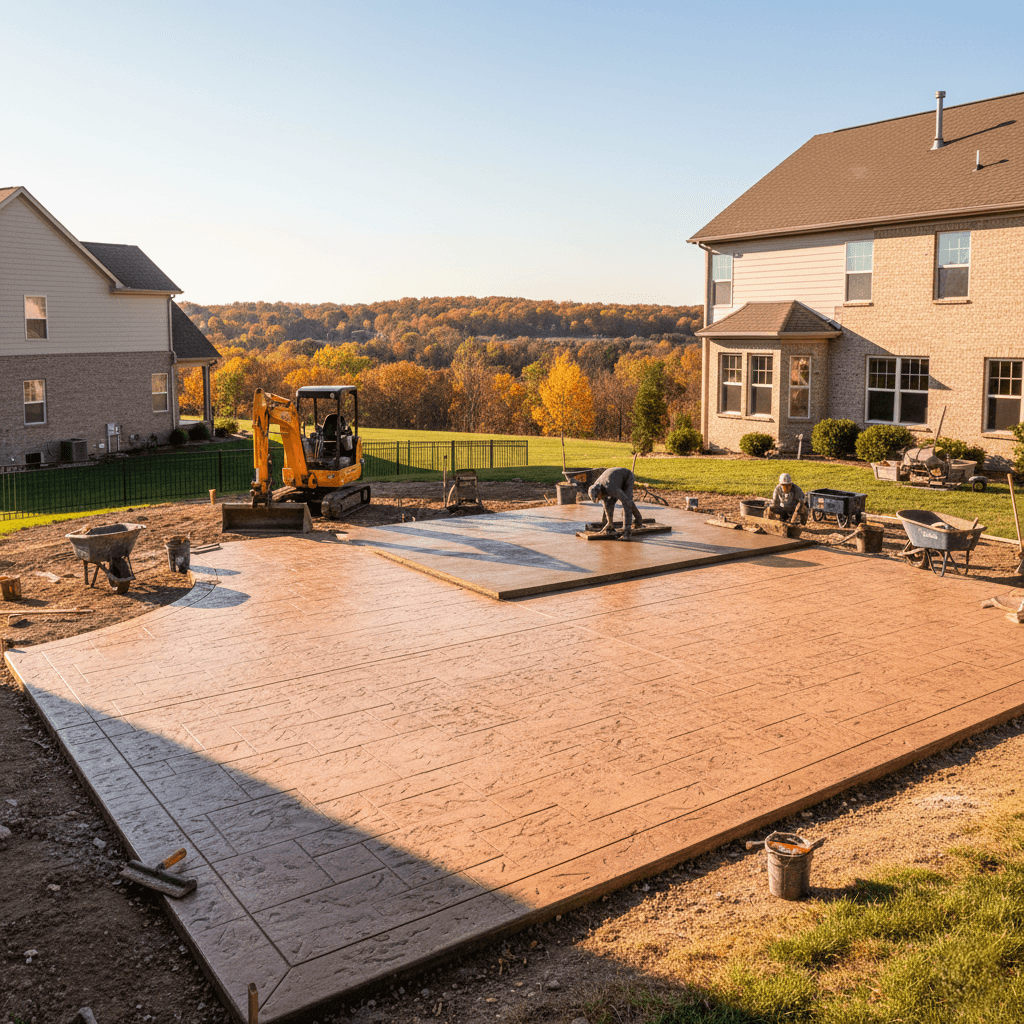
Understanding Fairfield’s Weather Cycles and Their Impact on Your Patio
Fairfield is located in a continental climate zone, which means it has extreme seasonal variation in weather. That extreme variation has a great impact on how well your patio will perform. Temperatures in winter drop to as low as 32°F consistently, which creates freeze-thaw cycle conditions that could damage your patio if it isn’t installed correctly. The coldest months of the year will occur later than usual, in late November, mid-January, and early February, and again in late February. You want to make sure you are ready for these events to have a successful patio.
The summers in Fairfield are hot, reaching temperatures of 88° – 92° regularly, creating expansive and contractionary forces that have to be considered in design, primarily about the location of your joints. Also, rainfall in Fairfield averages 40” annually, and in the spring, there are many days when heavy rain will fall, creating large amounts of water that will need to be drained off. By understanding what types of weather Fairfield receives, designers can help homeowners create a design that will allow them to have a long-lasting and durable patio.
Clay Soils in Butler County
Butler County has a high percentage of clay soils, whichexpands and contract due to changing moisture levels. The clay soils can cause instability in your patio due to the shifting of the soil. A designer should take these soils into consideration when designing a patio and prepare the site appropriately before pouring the patio. This includes excavating to the correct depth and selecting a suitable base material to provide a stable foundation for the patio.
A professional will evaluate the soil and determine the best method for preparing the site based on the local conditions. Clay soils require special care regarding moisture, and in some cases, a specialized base material may be necessary to avoid settlement and cracking problems that may arise over time and reduce the lifespan of your patio.
Key Design Features for Durability
Proper Site Preparation
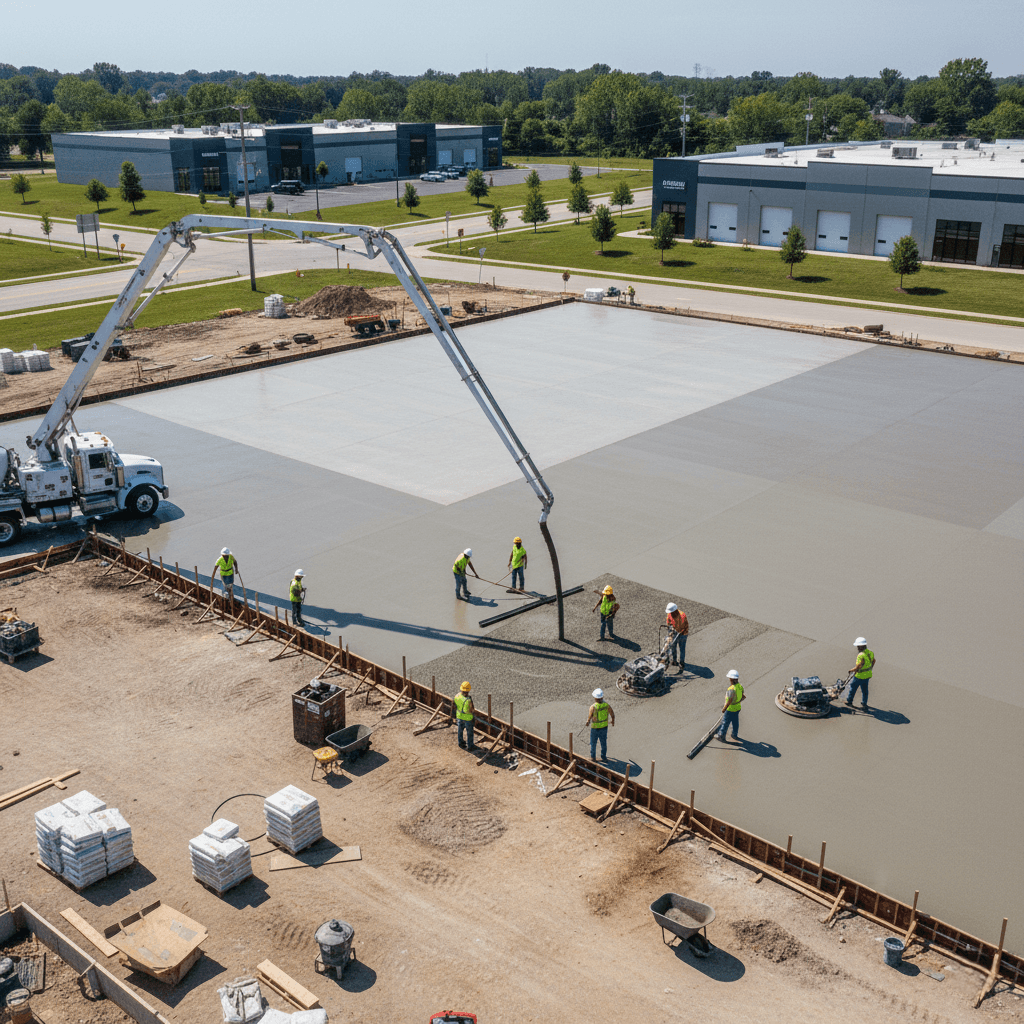
All patios start with a solid base, which allows for even distribution of weight and proper drainage. Unsuitable soils need to be removed and an engineered base needs to be put down to prevent moisture intrusion and stabilize the surface. Granular base materials (such as crushed stone) provide excellent drainage and a solid foundation to distribute loads evenly. Properly compacting the base material ensures that the base remains stable and does not settle under the weight of the patio and normal use.
Design Requirements of Concrete Mixes
Concrete that contains air voids provides the necessary protection from freeze-thaw damage, which is required for all exterior concrete in the state of Ohio. During freeze-thaw cycles, the air voids created within the concrete provide room for ice to form, allowing for no increase in pressure internally in the concrete, thus eliminating cracking and damage to the surface of the concrete. Specifications for the design of the concrete mix include 5-7% air content for optimal protection.
A minimum compressive strength of 4000 psi is required to provide structural integrity to the concrete and to provide the ability to withstand stresses from weather and normal use. Higher-strength concrete also provides better performance in extreme environments while still being workable enough for the contractor to finish the job.
Drainage Issues and How to Address Them
Design Requirements of Surface Drains
In addition to protecting the surface of the concrete from water intrusion, it is equally important to prevent water from accumulating on the surface of the patio. Providing a minimum slope of ¼ inch per foot will ensure that water flows away from the structure, while maintaining a comfortable walking surface for entertainment and other activities on your patio. The drainage plan for your patio will need to consider the potential run-off from roofs and surrounding land features in order to provide an effective system for managing water flow around your patio.
Installation of French Drains and Foundation Drains
Water that collects beneath the patio can create hydrostatic pressure on the structure. Installing French Drains and/or Foundation Drains will prevent this type of issue from developing. Water collection beneath the patio is the primary source of frost heaving, cracking, and premature degradation of the patio in Ohio’s wet climate conditions.
Installing a vapor barrier and using moisture-resistant base materials will add another layer of protection against water collection beneath the patio. Ensuring that the installation is done professionally will guarantee effective moisture control and protect your investment in the patio for years to come.
Reinforcement and Expansion Joints
Options for Steel Reinforcement
Steel reinforcement provides structural integrity and crack control to a patio during the thermal expansion and soil movement that occurs in Ohio’s varying seasons. Depending on the size of your patio, intended use, and local soil conditions, either welded wire mesh or rebar will be the most suitable option for providing structural continuity.
Professionally designing and installing steel reinforcement in your patio will ensure that you have sufficient concrete coverage while maximizing its structural performance throughout its lifespan.
Expansion Joint Placement
Thermal expansion and contraction will continue to occur in Ohio’s climate and soil conditions, regardless of the design of your patio. Strategically placed expansion joints will accommodate this movement and provide continued structural integrity. Typically, expansion joints are placed every 2 – 3 times the thickness of the patio material, but never farther apart than 12’ for residential applications.
Providing high-quality joint materials will ensure that they remain flexible throughout the temperature extremes experienced in Ohio and prevent water infiltration that would create freeze-thaw damage. Regular cleaning and sealing will be necessary to protect the joints from deteriorating over time and failing to perform their intended function.
Finishing Techniques & Seals
Texture Options
Texture options will provide you with a variety of choices for slip resistance, appearance, and maintenance options for your patio throughout Ohio’s climate and soil conditions. A broom-textured finish will provide you with the slip resistance needed to keep your patio safe when wet, and will make snow removal easier and maintenance simpler.
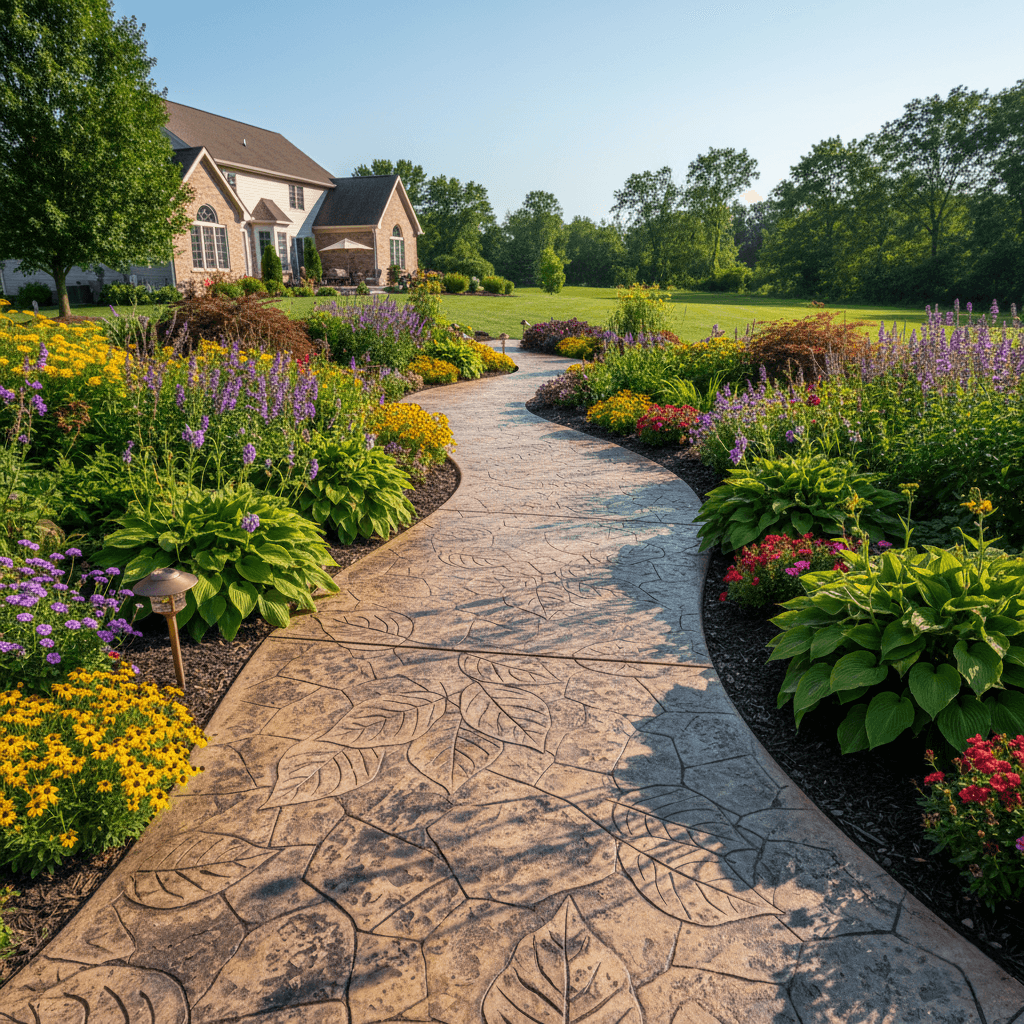
Decorative textures, such as stamped and exposed aggregates, allow you to create visually appealing finishes on your patio while maintaining functionality. Having your patio installed professionally will provide you with a finished product that meets your expectations for both aesthetics and safety.
Protective Sealants
Using high-quality protective sealants will help to protect your patio from water, freeze-thaw damage, and chemical exposure from de-icers. Penetrating sealants will provide you with long-term protection for your patio without altering the appearance or slip resistance of the surface.
Regular maintenance and inspection of your patio will help to extend its appearance and structural integrity throughout Ohio’s harsh climate and soil conditions. A professional will schedule regular sealing of your patio based on exposure to the elements and usage.
Benefits of Hiring a Contractor with Experience
Knowledge and Training
An experienced contractor has knowledge of the local building codes, soil conditions, and climate factors that will affect the construction of a patio in Butler County. When hiring a professional contractor, you can be assured that they will meet the local building codes while utilizing best practices that will optimize the performance and longevity of your patio.
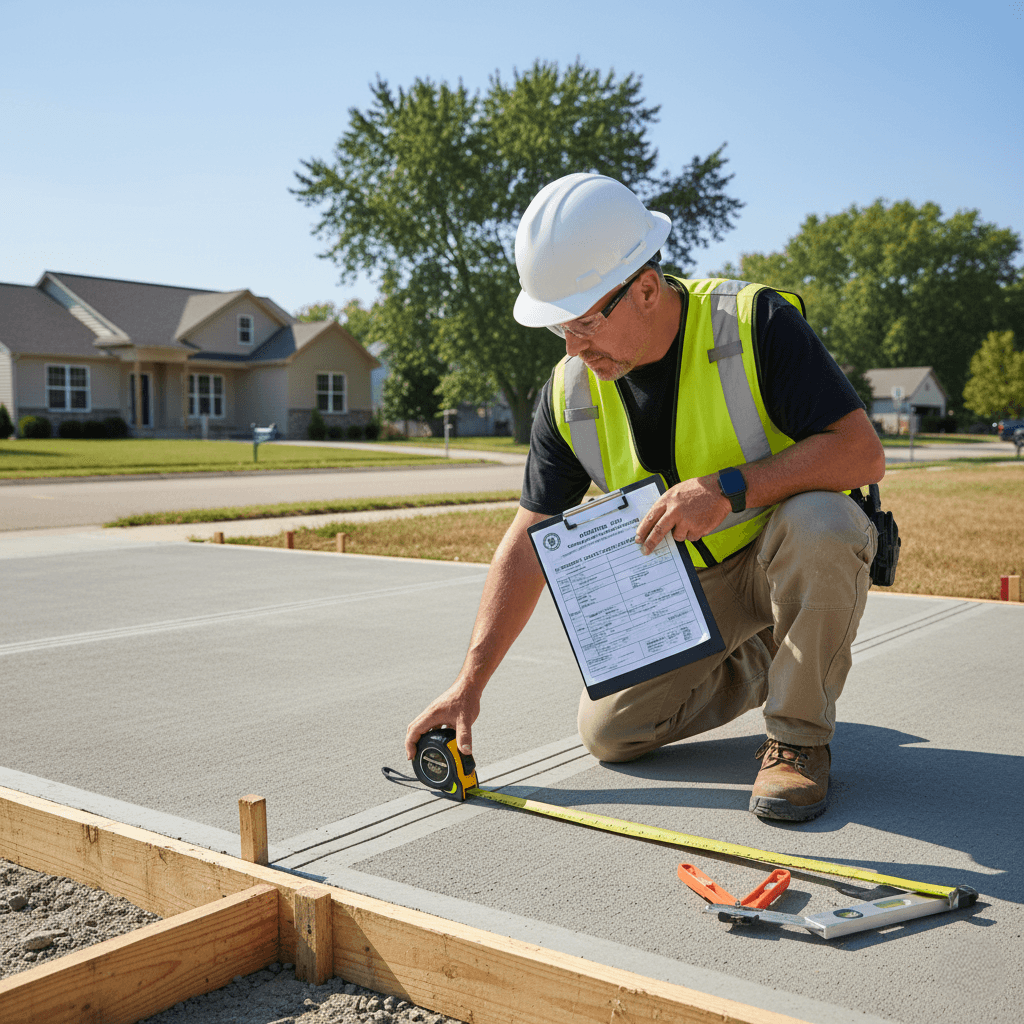
By ensuring that a contractor follows quality control processes, you can assure yourself that the contractor will follow the proper methods for placing and finishing the concrete, and that the concrete will cure to the highest possible standards. Additionally, the contractor will document the installation and provide you with maintenance instructions and warranty information to protect your investment.
Warranty Support
Hiring a professional contractor will provide you with warranty support for your patio and will ensure that your patio will be maintained properly to extend its performance and longevity. An established contractor will be able to provide you with maintenance services and technical support for your patio, which will enable you to enjoy your patio for generations to come.
When you invest money in having a contractor design and build a patio, you will get a long-lasting patio that will provide you with years of enjoyment, and because the patio was built using quality materials and constructed by a professional, the cost of the patio will pay itself back through lower maintenance and longer surface life. Investing in a professional contractor who takes into account the specific climate conditions in Fairfield will result in a patio that will be functional and aesthetically pleasing for years to come.
Fairfield Concrete Contractors provides you with the expertise and experience you need to have a beautiful and functional patio that will last for years to come. We know the challenges of Fairfield’s weather and can provide you with a patio that will stand up to the demands of Fairfield’s weather. Contact us today to find out how we can help you create the patio you’ve always wanted.
LATEST POSTS